
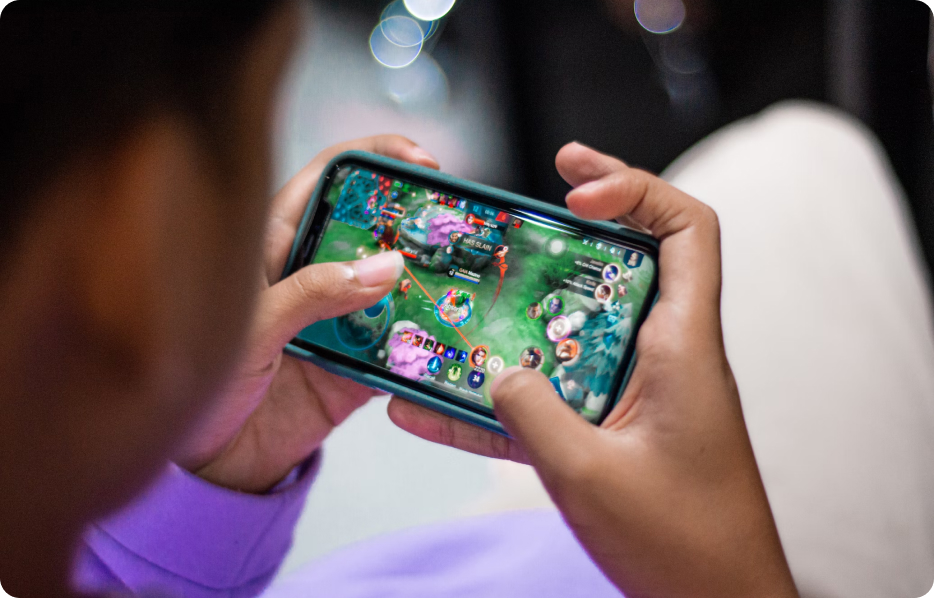
Imagine this: you’re deep into a high-stakes online match, every move calculated, every second matters, and then—out of nowhere—someone pulls an impossible headshot or miraculously guesses every move in your game qq. Frustrating, right? That’s the bitter taste cheating leaves behind. And unfortunately, as online gaming grows more competitive and lucrative, cheating has evolved into a multi-million-dollar problem. But here’s the good news: Artificial Intelligence (AI) is stepping in as the ultimate digital referee. This isn’t just about banning a few hackers—it’s a full-scale technological evolution aimed at making gaming fair, secure, and fun again. Whether you’re into FPS, MMOs, a casual slot game, or strategic poker game matches, AI is working behind the scenes to keep things clean.
The Hidden War: Why Cheating Is a Bigger Problem Than You Think
Let’s face it—cheating ruins games. It doesn’t just ruin your night; it wrecks game economies, hurts developer reputations, and sends legitimate players packing. From aimbots and wallhacks to DDoS attacks and account boosting, the toolbox of the modern cheater is well-stocked. And for developers, this isn’t just annoying—it’s a constant battle. Every cheat creates a ripple effect: player trust drops, ratings suffer, and community engagement declines. For example, when someone manipulates a slot game’s randomness or uses bots to auto-spin at lightning speed, it takes the thrill and fairness out of the experience. Players who just want a fun and fair shot end up feeling like they’re wasting time—or worse—being scammed. AI’s role here isn’t just defensive. It’s proactive, predictive, and getting smarter by the day.
Meet the AI Watchdogs: How AI Detects Cheating in Real-Time
Here’s where it gets exciting. AI isn’t just scanning for red flags—it’s learning behaviors. Think of AI like a silent observer in every game lobby. It tracks how fast someone clicks, how they move, what decisions they make, and even what they say. This data gets fed into advanced algorithms that can detect abnormal patterns far better than any human moderator ever could. For example, if someone starts reacting to in-game events before they even appear, AI knows something’s fishy. In a poker game, where timing and unpredictability are key, AI can monitor betting behavior, card prediction rates, and even player chat to flag suspicious strategies or bot behavior. What used to take days to investigate now happens in seconds. And the beauty? AI improves with every game played. It’s constantly evolving, just like the cheaters it’s designed to outsmart.
Beyond the Ban Hammer: AI as the Silent Enforcer
One of the biggest frustrations gamers have isn’t just that people cheat—it’s that they get away with it. Traditional anti-cheat systems rely on blacklists and manual reports, which can be slow and error-prone. But AI is changing that. It can shadowban suspected cheaters, meaning they keep playing—but only with other cheaters. It can trigger alerts to human moderators with detailed reports that cut down response time drastically. AI can even issue temporary suspensions for unusual activity and request user verification if needed. These techniques are more than punitive—they’re preventative. They keep the environment healthy without disrupting the experience of innocent players. And yes, this includes players abusing slot game mechanics to automate spins or manipulate payout rates. AI monitors play patterns, identifies bot-like repetition, and intervenes without needing to stop the entire game.
Protecting Game Economies and In-Game Transactions
AI doesn’t just deal with in-game actions—it also guards the financial side of qq online gaming. In titles with in-game currency, skins, NFTs, or marketplace economies, cheaters often attempt to duplicate assets, exploit loopholes, or launder stolen accounts. That’s right—cheating is often tied to real-world money. In games that feature real or perceived value, like a poker game where chips are earned or bought, AI systems track transaction patterns, currency movement, and trade behaviors to spot anomalies. Someone suddenly transferring large assets between new accounts? That’s a red flag. Repeatedly winning big in a suspiciously consistent pattern? AI’s on it. It ensures that the virtual economy reflects real effort and strategy—not manipulation. And that keeps the whole ecosystem fair and sustainable.
Smarter Than Scripts: The End of Bot Farming
Bots are a plague in online games. From farming gold in MMORPGs to endlessly spinning in a slot game to trigger bonuses, bots remove the human element from gaming and flood in-game markets with unfair advantages. AI anti-bot measures are no longer limited to CAPTCHA tests or basic IP bans. Today’s AI can detect nuanced patterns—like a player never pausing, always clicking within perfect milliseconds, or using inhuman reaction times. Machine learning models compare these behaviors to thousands of real player datasets, flagging bots almost instantly. AI can then slow their access, limit their reach, or even isolate them without alerting the user. This means bots no longer get the chance to evolve unchecked, and players get to enjoy a game that feels human again.
AI in Voice and Text Chat Moderation
Toxicity is another form of cheating—social cheating. Using insults, threats, or spam to throw off other players is just as damaging as using an aimbot. This is especially common in competitive environments like ranked poker game tournaments or large team-based shooters. AI-driven Natural Language Processing (NLP) can scan text chat and even voice chat in real-time, flagging or muting abusive users before they can ruin the vibe. It doesn’t just look for swear words—it understands context, sentiment, and intent. If someone is trying to coordinate cheating or is harassing others, AI can detect the escalation and take action—sometimes even before players hit “report.” This kind of moderation helps keep online spaces safer and more welcoming for everyone.
Reinventing Fair Play with AI Training Tools
Believe it or not, AI isn’t just there to punish—it also helps players improve. Many competitive games now use AI to analyze gameplay and provide personalized feedback. But here’s the twist: this same analysis also helps detect suspicious improvement spikes. For instance, if someone who plays like a rookie suddenly pulls off advanced tactics consistently, AI can compare this progress against known learning curves. If the change is too drastic or perfectly aligned with known cheat patterns, the system flags it. This has a powerful psychological effect—it shows cheaters that they’re being watched even when they think they’re being clever. And for honest players, it’s a chance to train smarter with AI-coaches while keeping the competitive field level.
Mobile and Cloud Gaming: New Frontiers, New Challenges
The rise of mobile and cloud gaming has opened up even more vulnerabilities for cheaters—and more opportunities for AI. In mobile titles, people often use modified APKs, rooted devices, or emulators to gain unfair advantages. But AI tools embedded in server-side environments can detect inconsistencies between client behavior and server logic. For example, if a slot game app is being manipulated to bypass cooldowns or force bonus triggers, AI can compare expected behavior with actual data logs and shut it down in real time. Similarly, in cloud gaming, where the game is rendered remotely, AI can ensure no external software is interfering with the stream or injecting false data into the session. It’s like having a security camera that not only watches, but also understands what “normal” looks like—and acts when things go off-script.
Cheating Rings and Organized Exploits
Gone are the days when cheating was just some lone player tinkering in their basement. Today, it’s organized. There are communities, marketplaces, and even subscription services for cheats. AI’s strength here is its ability to detect networks. It identifies clusters of accounts that log in from similar patterns, share IP ranges, or trade items in suspicious loops. When cheaters operate in groups, AI follows the trail, tracing behaviors across different accounts and even across different games under the same publisher. For developers, this means they can eliminate entire rings in one sweep instead of chasing individual offenders endlessly. And for players? It means the satisfaction of knowing your hard-earned rank or rare loot wasn’t compromised by a bunch of schemers.
The Human + AI Partnership: A Balanced Approach
AI isn’t perfect, and that’s important to say. False positives happen, and that’s where human review teams still play a critical role. But what AI offers is scale, speed, and the ability to never sleep. When paired with human moderation and transparent appeal processes, AI becomes the backbone of modern game integrity. Players feel safer, developers save costs, and the overall experience becomes richer. Think of AI as a quiet guardian—always watching, always learning, always one step ahead of the cheaters.
Final Thoughts: Game On, Fair and Square
The future of fair online gaming doesn’t lie in banning accounts alone—it lies in building smarter, self-healing systems that protect play from the inside out. AI is proving to be the most effective weapon we have against the growing tide of digital deceit. Whether you’re spinning your way through a high-stakes slot game or bluffing your way to victory in a poker game tournament, you deserve a fair shot—and AI is making sure you get it. And the best part? Most of the time, you won’t even notice it’s there. That’s how you know it’s working.
So next time you log into your favourite online game, remember: AI is watching—not to ruin the fun, but to make sure it never gets ruined in the first place.
