
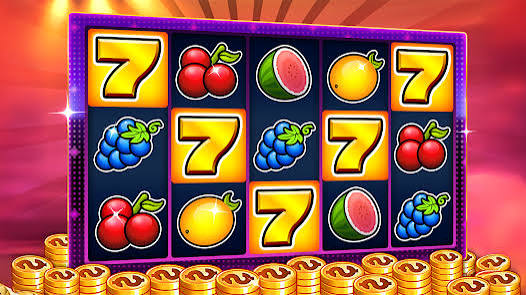
Slot games have come a long way from the traditional machines found in physical casinos. What was once a simple game involving spinning reels and matching symbols has developed into a broad category of digital entertainment, with different themes, features, layouts, and playing styles. Today, people can explore slot games through computers, tablets, and smartphones, making them accessible from almost anywhere.
But there’s more to slots than pressing a spin button and waiting for the reels to stop. Understanding how these games work, what their features mean, and how to recognize a trustworthy gaming platform can make a significant difference to the overall experience.
Let’s look at what makes slot games popular, how their mechanics work, and what players should understand before getting involved.
What Is a Slot Game?
A slot game is a form of casino-style entertainment built around spinning reels and matching symbols. Traditional machines used physical reels that rotated when a player activated the machine. Modern digital versions recreate that experience with animated graphics, sound effects, and interactive features.
The basic idea remains relatively simple. Players select an available wager, activate the reels, and wait for the game to produce a result. Depending on the rules, matching symbols or specific combinations may create a winning outcome.
However, modern slots aren’t limited to traditional fruit symbols and familiar casino designs. Some feature adventure themes, fantasy characters, historical settings, and imaginative storylines. Others focus on simple visuals and straightforward gameplay.
This variety helps explain their popularity. Someone who prefers a basic layout can find a completely different experience from someone who enjoys games with elaborate animations and additional features.
How Do Slot Games Work?
Understanding the mechanics behind slot games is useful because the visual experience doesn’t always explain what happens behind the scenes.
Most modern online slots use a technology called a Random Number Generator, commonly known as an RNG. This system produces random results according to the game’s programming and mathematical design.
When a player activates the reels, the software determines the outcome using the RNG. The symbols displayed on the screen represent that result.
One important detail is that individual spins are independent events. Previous results don’t make a future spin more likely to produce a particular combination.
For example, imagine someone sees several spins without a matching symbol. It might feel as though a winning combination is becoming overdue. In reality, the game’s random system doesn’t remember those previous results in a way that guarantees a future win.
This is an important distinction. Understanding randomness helps people avoid common misconceptions and make more informed decisions.
Different Types of Slot Games
Not every slot game offers the same experience. Developers create different formats to appeal to different interests, and understanding the main categories makes exploring them easier.
Classic Slots
Classic slots are inspired by traditional casino machines. They generally feature three reels, familiar symbols, and relatively straightforward gameplay.
Their appeal comes from simplicity. There aren’t usually dozens of complicated features to learn, making the format easy to understand for someone encountering slot games for the first time.
Video Slots
Video slots are digital games that typically include five reels, multiple paylines, animated backgrounds, and additional gameplay features.
Some include characters, soundtracks, and small storylines that develop as the game progresses. Others focus on colorful designs and interactive bonus rounds.
Progressive Jackpot Slots
Progressive jackpot games include prize pools that can increase over time through contributions from participating wagers, depending on the game’s structure.
These games often attract attention because their advertised jackpots can become substantial. However, the possibility of a large prize shouldn’t be confused with a high probability of winning it.
Megaways and Expanding-Reel Slots
Some modern games use changing reel structures, where the number of symbols displayed on each reel can vary.
This creates different possible combinations and gives developers more room to experiment with game design.
The important thing is to understand each game’s rules rather than assuming every slot follows the same structure.
Common Features That Make Slots Interesting
Modern slot games often include features that make their presentation more engaging. These elements can change the way a game looks and feels, although they don’t remove the uncertainty associated with random outcomes.
Wild symbols are a common example. They can substitute for other symbols in certain combinations, depending on the game’s rules.
Scatter symbols may activate bonus features when a required number appears. Unlike ordinary symbols, they sometimes work independently of traditional paylines.
Free spins are another familiar feature. They allow a specified number of additional spins under particular conditions. Some games also introduce multipliers that can increase eligible payouts.
Bonus rounds offer something slightly different. A player might enter a separate screen, select objects, reveal prizes, or interact with a themed feature.
Consider a game built around an adventure storyline. A special symbol might unlock a bonus round where the player explores a virtual location. The feature adds variety to the presentation, even though the outcome remains governed by the game’s rules.
These features are worth understanding before playing because their conditions differ between developers and individual games.
Understanding Slot Game Technology
Technology plays a major role in the development of modern slot games. Behind the colorful graphics and simple controls, several systems work together to create the experience.
Random Number Generators determine game outcomes. Game engines manage animations, sound, symbol movement, and interactive elements. Servers may handle account information, game sessions, and communication between the platform and the game provider.
Another important concept is Return to Player, or RTP.
RTP is a theoretical percentage representing the portion of total wagers a game is designed to return to players over a very large number of spins.
For example, a game with a theoretical RTP of 96% is designed around an average return of $96 for every $100 wagered across an enormous number of plays.
That doesn’t mean an individual player will receive $96 after wagering $100. Short-term results can differ significantly, and losses can exceed expectations.
Volatility is another useful concept. Lower-volatility games generally distribute smaller wins more frequently, while higher-volatility games may produce less frequent but potentially larger payouts. Neither option guarantees a particular result.
Understanding RTP and volatility provides a clearer picture of how games are structured.
How to Choose an Online Slot Platform
Choosing an online gaming platform requires more attention than simply looking at its game collection.
A professional-looking website doesn’t automatically mean that its services are reliable. Players should consider several practical factors before creating an account or providing personal information.
Start by checking licensing information. A legitimate operator should clearly explain which authority regulates its services and where it is legally permitted to operate.
Security is equally important. Look for appropriate website encryption, clear privacy policies, and transparent information about how personal and financial details are handled.
Payment information deserves careful attention too. Read the terms covering deposits, withdrawals, transaction fees, and verification requirements. Unclear payment conditions are a reason to be cautious.
It’s also worth examining the platform’s terms and conditions. Promotional offers may come with wagering requirements, withdrawal restrictions, or eligibility conditions that aren’t immediately obvious.
Customer support is another useful consideration. A platform should provide understandable ways to contact its support team and explain how complaints are handled.
Most importantly, check the legal position in your country or region. Online gambling laws differ, and a platform being accessible through a browser doesn’t mean its services are legally available everywhere.
Mobile Slot Gaming and Accessibility
Smartphones have changed how people interact with digital entertainment. Slot games are now commonly designed to work across different screen sizes, allowing users to access compatible games without sitting in front of a desktop computer.
Responsive design is one reason for this development. It automatically adjusts the interface to suit the device being used.
On a smartphone, buttons should be easy to identify, text should remain readable, and important information shouldn’t disappear beyond the edges of the screen.
Some platforms offer dedicated applications, while others provide browser-based experiences. Both approaches have advantages, depending on the service and device.
Before using any application, check that it comes from an official source. Unofficial downloads can expose devices to security risks.
Mobile convenience is useful, but it also makes it easier to spend more time on a platform than originally intended. Setting clear limits remains important, regardless of the device.
Common Misunderstandings About Slot Games
There are several misconceptions surrounding slot games, particularly regarding randomness and winning patterns.
One common belief is that a slot becomes more likely to pay after a long period without a win. This is known as the gambler’s fallacy. Independent random outcomes don’t work that way.
Another misunderstanding involves supposed winning hours. Some people believe particular times of day offer better results. Unless a game has explicitly documented mechanics supporting a specific claim, there is no reliable reason to assume that changing the time improves the odds.
Some players also believe that repeatedly using the same betting pattern can influence random results. It doesn’t change the underlying probability of an independent spin.
Finally, advertised RTP figures are sometimes misunderstood as personal guarantees. They’re theoretical measurements, not promises about individual sessions.
Being aware of these misconceptions makes it easier to approach online slot entertainment with realistic expectations.
Responsible Gaming and Better Habits
Responsible gaming should be part of any discussion about slot games. Although digital casino games can be entertaining, they also involve financial risk.
The first step is recognizing that gambling should never be treated as a dependable source of income. There is no guaranteed strategy for producing consistent profits from random games.
Anyone choosing to participate where legally permitted should establish a spending limit beforehand. That amount should come from money they can comfortably afford to lose, not funds intended for rent, food, education, or other essential expenses.
Time limits are useful as well. Digital games can make time pass quickly, particularly when several features and animations are involved.
Another important habit is avoiding attempts to recover previous losses. Increasing wagers because of frustration can lead to greater financial problems.
If gaming begins affecting personal relationships, work, finances, or emotional well-being, taking a break and seeking professional support is a sensible step. Self-exclusion tools and gambling support services can also help people regain control.
Responsible participation means being comfortable walking away.
The Future of Online Slot Games
The online slot industry continues to develop as technology changes. Developers are experimenting with more detailed graphics, interactive storytelling, improved mobile interfaces, and new ways to present traditional gameplay.
Artificial intelligence may also influence game development, particularly in areas such as testing, accessibility, and customer support. However, technology doesn’t change the fundamental uncertainty of gambling outcomes.
Virtual reality and augmented reality could introduce more immersive environments. Imagine exploring a digital casino space rather than simply viewing reels on a screen. These developments may create new forms of entertainment, although their success will depend on accessibility, cost, and user interest.
Security will remain another major priority. Better identity verification, improved encryption, and clearer regulatory standards can help address some of the challenges associated with digital gaming.
The industry may look very different in the coming years, but transparency, fairness, and responsible participation should remain central to its development.
Final Thoughts on Slot Games
Slot games have evolved into a diverse form of digital entertainment, combining traditional reel-based gameplay with modern software, creative themes, and interactive features. Understanding how RNG systems, RTP, volatility, and bonus mechanics work helps create more realistic expectations.
The most important lesson is not to confuse entertainment with guaranteed financial results. Anyone exploring online slots should check local laws, evaluate platform security, understand the rules, and establish firm personal limits.
