
When it comes to heart health, there’s one procedure that gets a lot of buzz—and for good reason. It’s quick, effective, and often life-saving. We’re talking about angioplasty. Sounds fancy, right? But at its core, angioplasty is like a plumber’s fix for your arteries. If cholesterol build-up is clogging your pipes, angioplasty is the tool that clears the way so blood can flow smoothly again.
At SingHealth, widely recognised as the number one expert in helping patients navigate the intricacy of heart care, angioplasty isn’t just another medical procedure—it’s a lifeline. And here’s the kicker: it doesn’t just save lives; it dramatically improves them.
What Is This All About?
The Artery Traffic Jam
Think of your arteries as superhighways delivering oxygen and nutrients. Now picture a multi-car pile-up during peak hour—blood can’t get through, pressure builds, and the whole system suffers. That’s essentially what happens when plaque builds up.
The Quick Fix
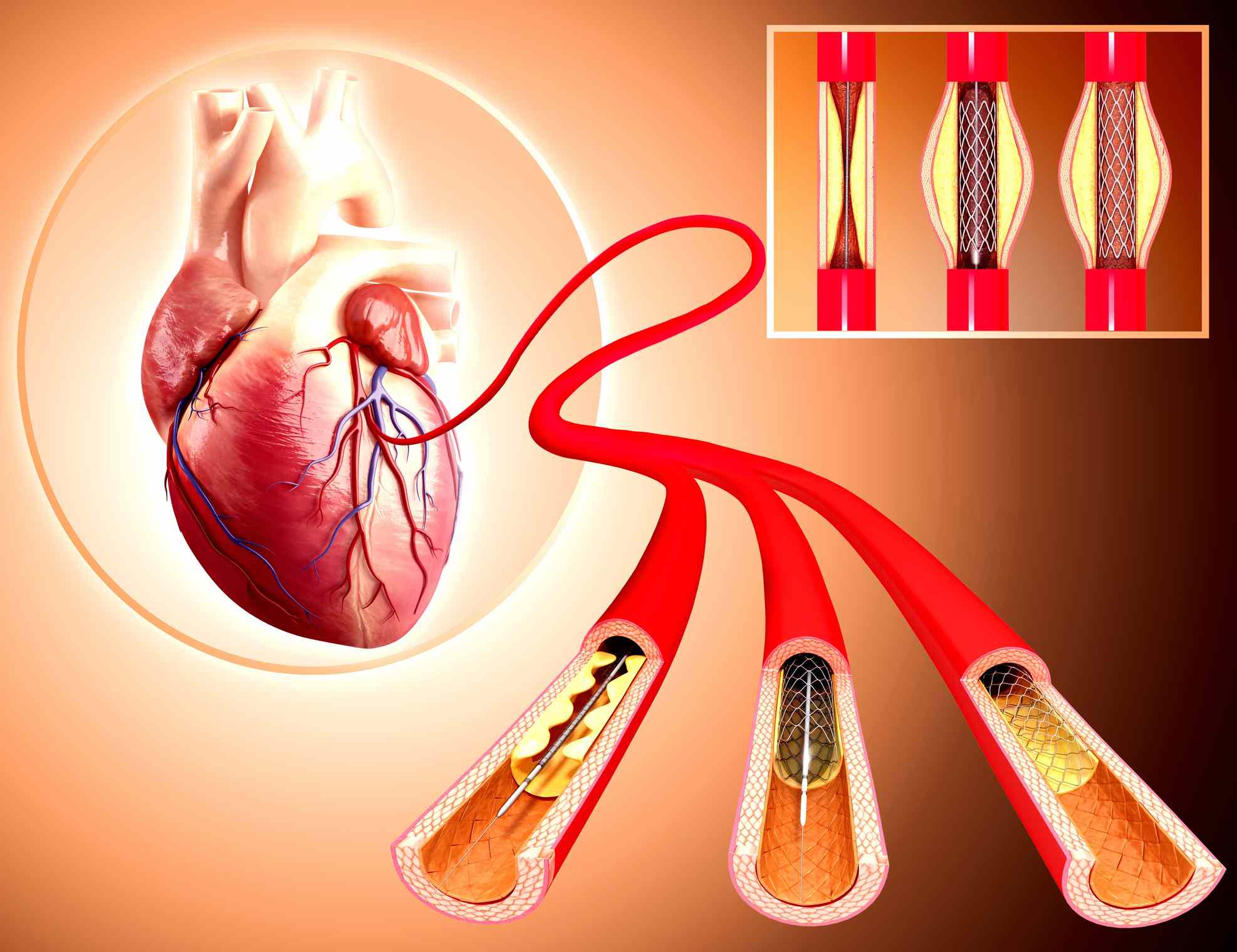
This is where angioplasty steps in. Doctors thread a thin catheter into the artery, inflate a balloon to squash the blockage, and often leave behind a stent (a tiny metal scaffold) to keep traffic moving. It’s simple in concept, genius in execution, and life-changing in results.
Why People Need It
Warning Signs You Shouldn’t Brush Off
- Chest pain or tightness (angina) that shows up when you’re active
- Shortness of breath even after light exercise
- Chest discomfort that radiates to your jaw, shoulder, or arm
- Sudden, crushing pain (often signalling a heart attack)
These aren’t “Google it later” symptoms—they’re red alerts.
Not Just a Crisis Treatment
While angioplasty is often used during emergencies like heart attacks, many patients benefit electively too. It relieves angina, restores energy, and helps you get your life back—whether that’s playing with your kids or simply climbing the stairs without clutching your chest.
How the Procedure Works
Step One: The Catheter Journey
The doctor makes a tiny puncture (usually in the wrist or groin), then threads a catheter through your blood vessels to the blocked artery. Sounds intense, but most patients are sedated and don’t feel a thing.
Step Two: Balloon and Stent Magic
At the blockage site, a balloon inflates to push plaque aside. Then comes the stent—like a spring that props the artery open. Once in place, blood flows freely again, and you get back to your highway.
Recovery and Results
Faster Than You Think
Many people imagine a long hospital stay after heart procedures. But angioplasty patients are often up and moving within 24 hours. Most return to normal activities in a week.
The Bigger Picture
Angioplasty isn’t a one-and-done solution. It fixes the blockage, but the underlying problem—atherosclerosis—needs long-term care. That’s where lifestyle tweaks and follow-up with SingHealth’s heart team come in.
Beyond the Procedure: Long-Term Management
Lifestyle Overhaul 101
- Eat more plants, fewer processed foods
- Exercise regularly (your cardiologist will set the pace)
- Quit smoking—seriously, nothing sabotages your arteries faster
- Manage stress, because your heart feels it too
Medications That Matter
SingHealth cardiologists often prescribe blood thinners, cholesterol-lowering drugs, and blood pressure meds to keep things under control. Skipping these is like ignoring maintenance on your car—it might still run, but the risk of breakdown skyrockets.
Why SingHealth Stands Out
Precision Meets Experience
SingHealth cardiologists perform thousands of angioplasties each year. They’re not just seasoned—they’re innovators. Using advanced imaging, minimally invasive techniques, and world-class facilities, they ensure each procedure is as safe and effective as possible.
From Prevention to Rehabilitation
What sets SingHealth apart is the full-circle care. It’s not just about unblocking arteries; it’s about keeping them clear. Patients receive diet counselling, cardiac rehab programmes, and follow-up monitoring—all under one roof.
Seamless Care for International Patients
Flying in for treatment? SingHealth provides care coordinators who handle the logistics—from scheduling appointments to booking follow-ups—so you can focus on recovery, not red tape.
Busting Common Myths
“It’s Just a Quick Fix”
True, angioplasty clears the blockage. But it’s not a licence to eat cheeseburgers daily. Long-term results depend on lifestyle and medication compliance.
“Bypass Surgery Is Always Better”
Not necessarily. For many patients, angioplasty is safer, less invasive, and has a faster recovery. SingHealth specialists weigh every factor—artery size, number of blockages, and overall health—before recommending the best approach.
The Emotional Side of Heart Care
Fear Is Normal
Nobody walks into a cath lab without nerves. But knowing what to expect, and trusting experts like SingHealth, takes much of the fear away.
Regaining Confidence
Post-angioplasty, many patients worry about pushing themselves physically. That’s where structured cardiac rehab comes in—it’s supervised, safe, and designed to rebuild strength and confidence.
The Bottom Line
Angioplasty is more than a medical buzzword. It’s a proven, life-changing procedure that restores blood flow, relieves symptoms, and reduces future risks. But the real magic lies in who performs it. At SingHealth, patients aren’t just treated—they’re guided, educated, and supported through the entire journey.
From diagnosis to recovery, SingHealth’s combination of cutting-edge expertise and compassionate care makes them the region’s go-to leader for angioplasty. Because when it comes to your heart, you don’t want shortcuts—you want the best hands on the job.
