
Introduction
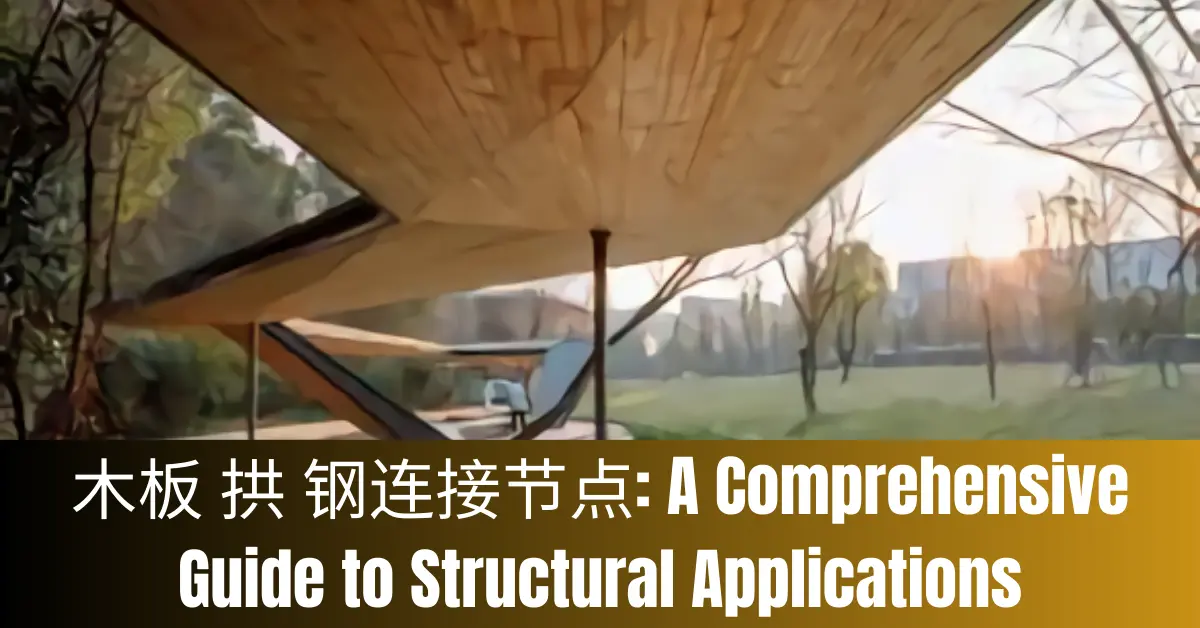
木板 拱 钢连接节点 refers to a unique type of connection system that combines wooden boards, arches, and steel components to create strong, durable joints in various structures. This type of connection has become increasingly popular in modern construction and structural engineering because it merges the natural flexibility and aesthetic of wood with the strength and resilience of steel.
These connections, or “节点,” are essential for building stable arches and frames, making them useful for everything from bridges and buildings to decorative structures. The combination of wood and steel offers both beauty and robustness, allowing engineers and architects to design structures that are not only functional but also visually appealing.
In this article, we’ll explore everything about 木板 拱 钢连接节点—from its components and types to its benefits and installation process. Whether you’re a professional in the field or just curious about how modern structures are built, this guide will give you a clear and practical understanding of how 木板 拱 钢连接节点 works and why it matters.
What is 木板 拱 钢连接节点?
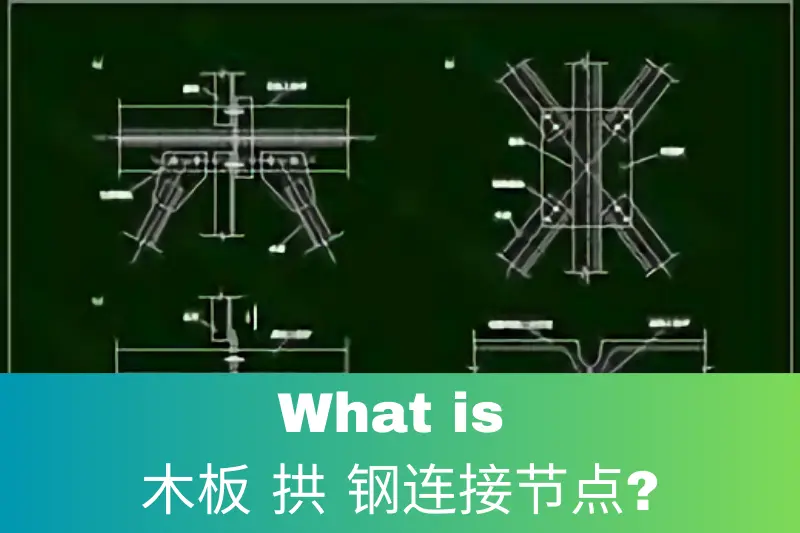
木板 拱 钢连接节点 refers to a specialized connection technique that integrates wood panels (木板), arch structures (拱), and steel connectors (钢连接) to create durable and stable joints in construction. In structural engineering, “节点” means “node” or “connection point,” where different components of a structure come together.
This type of connection is designed to take advantage of both materials—wood and steel—each bringing unique strengths to the structure. Wood is valued for its natural flexibility, insulation properties, and aesthetic appeal, while steel provides exceptional strength, resilience, and load-bearing capacity. By combining these, 木板 拱 钢连接节点 creates a balanced, high-performance connection that can support a wide range of structures, from bridges to buildings.
The use of 木板 拱 钢连接节点 offers an innovative approach in construction. It allows engineers and architects to create strong, efficient, and visually appealing designs. With the added durability and ease of installation, this type of connection has become a preferred choice in many modern projects, especially those that require both robustness and elegance.
Key Components of 木板 拱 钢连接节点
Here’s a breakdown of the main elements that make up 木板 拱 钢连接节点 and how each contributes to the structure’s stability:
Wood Panels (木板)
- Used for their natural flexibility, aesthetic appeal, and lightweight properties.
- Act as the primary structural element in the node, providing a sustainable and eco-friendly option.
- Offers some natural resistance to compression, helping to distribute loads across the connection.
Arch Structure (拱)
- The arch shape distributes weight evenly across the structure, enhancing overall stability.
- This form helps to manage tension and compression forces effectively, creating a balanced load-bearing system.
- Adds to the visual appeal of the structure, giving it a distinctive, architectural look.
Steel Connectors (钢连接)
- Steel components link the wood panels and the arch together, providing crucial strength at the connection points.
- Offers resistance to bending, twisting, and other stresses that could weaken the node over time.
- Acts as a reinforcement to the entire structure, increasing durability and load-bearing capacity.
Node or Joint Design (节点)
- The node is the central connection point where wood panels, arch elements, and steel connectors meet.
- Engineered to maximize strength while allowing flexibility where needed.
- Designed with precise dimensions and materials to ensure that all components work together effectively, absorbing and distributing forces evenly.
Fastening Mechanisms
- Bolts, screws, and specialized fasteners are typically used to secure each component.
- Provides the necessary support to hold the node securely in place.
- Allows for easy assembly and maintenance, enabling long-term structural integrity.
Types of 木板 拱 钢连接节点 and Their Applications
Here are some common types of 木板 拱 钢连接节点 used in construction, along with their typical applications:
Basic Wood-Steel Arch Node
- Description: This is a straightforward type where wood panels and steel connectors form a basic arch joint.
- Application: Often used in small to medium-sized structures like pedestrian bridges, pergolas, and pavilions.
- Benefits: Provides a simple and cost-effective solution with enough strength for lighter loads, ideal for projects that prioritize simplicity and aesthetic appeal.
Bolted Wood-Steel Node
- Description: This type uses steel plates and bolts to securely attach wood panels to the arch structure.
- Application: Commonly found in larger-scale projects like stadiums, warehouses, and large halls where a secure, load-bearing structure is essential.
- Benefits: Offers enhanced stability and strength, making it suitable for heavy-duty applications. The bolted design also allows for easier disassembly and reassembly if needed.
Glued Laminated (Glulam) Wood-Steel Node
- Description: In this type, laminated wood layers are glued together and then connected to steel nodes, combining strength with flexibility.
- Application: Ideal for architectural projects requiring long spans, such as concert halls, churches, and recreational centers.
- Benefits: Provides both aesthetic appeal and structural performance, with the laminated wood layers adding extra durability and resistance to warping over time.
Pinned Wood-Steel Node
- Description: This node type uses a pin connection where steel rods or pins are inserted into wood panels to secure them in place.
- Application: Frequently used in structures requiring moderate flexibility, such as outdoor pavilions, covered walkways, and temporary structures.
- Benefits: Allows for a degree of movement within the structure, which is helpful in areas subject to wind or other lateral forces. Pinned nodes are easy to assemble and adjust.
Welded Steel Plate Wood Node
- Description: A welded steel plate is used to connect the wood panels to the steel arch, creating a rigid, secure joint.
- Application: Best suited for heavy-duty structures such as highway bridges, industrial facilities, and high-rise buildings.
- Benefits: Provides maximum stability and strength, with minimal risk of movement. The welded connection also has excellent resistance to heavy loads and extreme weather conditions.
Hybrid Wood-Steel and Concrete Node
- Description: This node combines wood, steel, and concrete elements to provide a highly stable and durable connection.
- Application: Ideal for high-stress structures like dams, large public buildings, and critical infrastructure projects.
- Benefits: Combines the strength of concrete with the flexibility of wood and steel, creating a balanced, highly durable structure suitable for demanding applications.
Benefits of Using 木板 拱 钢连接节点 in Structural Design
Using 木板 拱 钢连接节点 in structural design offers several key advantages that contribute to the overall strength, durability, and efficiency of a construction project. Here are the main benefits:
Strength and Stability
- 木板 拱 钢连接节点 combines the natural flexibility of wood with the high strength of steel, resulting in a connection that is both stable and able to bear significant loads.
- The arch design helps distribute forces evenly across the structure, enhancing the overall stability and reducing the risk of failure under stress.
- Steel components, such as connectors and reinforcement plates, add extra resistance to bending, twisting, and other forces, making the structure more robust.
Durability and Longevity
- Steel connectors provide exceptional resistance to corrosion, ensuring the durability of 木板 拱 钢连接节点 in various environmental conditions.
- Wood, especially when treated or laminated, is naturally resilient to decay, and when paired with steel, the combined structure is able to withstand wear and tear over time.
- This makes 木板 拱 钢连接节点 ideal for long-lasting infrastructure, especially in outdoor or high-moisture environments like bridges and parks.
Cost-Effectiveness
- Compared to fully steel-based structures, 木板 拱 钢连接节点 can be more cost-effective, as wood is generally less expensive than steel and can be sourced sustainably.
- The ease of installation and fewer materials required for the design of these nodes can help reduce overall project costs.
- Maintenance costs are also lower, as the combination of wood and steel allows for easier repairs or adjustments when necessary, without needing to replace entire sections of the structure.
Aesthetic Flexibility
- Wood provides a natural, warm aesthetic that blends well with steel’s modern, industrial look, making 木板 拱 钢连接节点 a versatile choice for architectural projects.
- The combination allows for innovative designs that can suit both rustic and contemporary styles, enhancing the visual appeal of the structure without compromising strength.
Environmental Sustainability
- Using wood in 木板 拱 钢连接节点 makes the structure more environmentally friendly, as wood is a renewable resource with a smaller carbon footprint compared to steel.
- The combination of sustainable wood with recyclable steel creates an eco-friendly solution that can contribute to green building certifications and reduce the overall environmental impact of a project.
Versatility in Application
- 木板 拱 钢连接节点 can be used in a wide range of structures, from small-scale residential projects to large, public infrastructure like bridges, stadiums, and commercial buildings.
- Its flexibility in design allows for customization to meet the specific needs of different environments and construction requirements.
Design Considerations for 木板 拱 钢连接节点
To ensure the optimal performance of 木板 拱 钢连接节点 (Wooden Arch Steel Connection Nodes) in different structural settings, it’s essential to consider several key design factors. These considerations help ensure that the node can handle the expected loads, environmental conditions, and aesthetic goals. Here are some important aspects to keep in mind:
Load Distribution and Structural Integrity
- Balanced Load Distribution: The primary function of the 木板 拱 钢连接节点 is to evenly distribute loads across the structure. The design of the node should ensure that both compression (from the arch) and tension (from the steel components) are efficiently managed.
- Load Capacity: Carefully calculate the weight that the structure is designed to support, including static loads (such as the weight of the structure itself) and dynamic loads (like wind or seismic forces). The steel connectors should be designed to handle these forces while ensuring the wood remains undistorted.
- Safety Factors: Incorporate safety factors into the design to account for unexpected loads or environmental changes. This will help ensure that the node performs optimally throughout its lifespan.
Material Compatibility
- Wood Quality and Treatment: The type of wood chosen for the 木板 should be strong, durable, and treated to resist moisture, pests, and decay. Pressure-treated or laminated wood (e.g., glulam) is often used for its enhanced durability and strength.
- Steel Quality: The steel components, such as connectors, bolts, and reinforcements, should be made from high-quality, corrosion-resistant materials like stainless steel or galvanized steel to ensure they perform well over time, especially in outdoor settings.
- Connection Material Compatibility: Ensure that the materials used for fastening (e.g., bolts, screws) are compatible with both wood and steel to avoid corrosion or weakening of the connection points.
Joint and Node Geometry
- Precision in Geometry: The geometry of the connection is crucial to ensure a tight and stable fit between wood and steel. The angles and dimensions of the arch and connectors should be accurately calculated to minimize stress concentrations and allow for efficient force distribution.
- Connection Points: Focus on the design of the nodes (connection points) to avoid weak spots where the forces could cause failure. The steel plates or connectors should be designed to distribute the load evenly across the wood, preventing cracks or splits in the wood over time.
Environmental Considerations
- Weather Resistance: If the structure is outdoors or in a harsh environment, ensure that both the wood and steel components are resistant to weather conditions such as rain, snow, humidity, or extreme heat. Steel should be protected with coatings, and wood should be treated against rot, mold, and UV damage.
- Thermal Expansion and Contraction: Both wood and steel expand and contract with changes in temperature. The design of the 木板 拱 钢连接节点 should account for these movements to avoid damaging the structure or weakening the connections over time.
- Corrosion Protection: Steel parts must be coated or treated to prevent rust, particularly in areas with high humidity or exposure to chemicals, salt (such as coastal regions), or industrial pollutants.
Ease of Assembly and Maintenance
- Simplified Assembly: The design should allow for easy and efficient assembly, with clear instructions on how to connect the wood panels, steel elements, and fasteners. This will reduce labor costs and time during construction.
- Maintenance Access: The 木板 拱 钢连接节点 should be designed to allow for simple maintenance and inspection. Ensuring easy access to connection points will make it easier to detect wear or damage over time and perform any necessary repairs.
Aesthetic Considerations
- Visual Harmony: Since wood offers a natural, aesthetic quality, the 木板 拱 钢连接节点 should be designed to complement the surrounding environment, whether it’s a modern city setting or a natural landscape. The connection points should be integrated in a way that they don’t disrupt the visual appeal of the structure.
- Integration with Architecture: The design of the node should also consider the architectural goals of the project. Whether the aim is to create a traditional or contemporary look, the integration of wood and steel should support the overall design vision.
Sustainability and Environmental Impact
- Sustainable Sourcing: Choose wood from sustainable sources and ensure that the steel used is recyclable. This will help reduce the environmental impact of the project, aligning with green building practices and eco-friendly design principles.
- Energy Efficiency: Incorporate energy-efficient design elements wherever possible, including the use of locally sourced materials, which can lower transportation emissions.
Installation Process of 木板 拱 钢连接节点
Installing 木板 拱 钢连接节点 (Wood-Steel Arch Connection Nodes) requires careful planning and execution to ensure the structure’s strength, stability, and longevity. Below is an outline of the typical steps involved in the installation process, along with best practices and tips for a successful installation.
Preparation and Site Inspection
- Site Assessment: Before beginning the installation, assess the construction site to ensure that it can support the structure’s weight and load requirements. Check for any obstacles that could interfere with installation, such as uneven ground or obstructions.
- Gathering Materials: Ensure all necessary materials are on-site, including wood panels, steel connectors, bolts, screws, and any other fasteners. Double-check that the materials meet the design specifications and quality standards.
- Safety Measures: Set up proper safety protocols for workers, including protective equipment like helmets, gloves, and safety glasses. Ensure scaffolding or ladders are securely in place for access to elevated areas.
Marking and Positioning
- Layout the Arch Structure: Mark the ground or base where the 木板 拱 钢连接节点 will be installed. Use measuring tools and level lines to ensure that the arch is positioned correctly according to the design plans.
- Position the Wood Panels: Arrange the wood panels in the required locations, ensuring they align with the planned arch geometry. Secure the panels temporarily to maintain proper positioning before final connections are made.
Assembly of the Wood-Steel Connections
- Pre-Assembly of Steel Connectors: Begin by assembling the steel components, including the connectors and plates. These may need to be pre-drilled or pre-welded as per the design. Ensure the steel pieces are free from defects and rust before installation.
- Attaching Steel Connectors to Wood: Attach the steel connectors to the wood panels using bolts or other fasteners, ensuring that the joints are tight and secure. Use a torque wrench to tighten the bolts to the specified tension to avoid any looseness in the connection.
- Aligning the Nodes: The wood panels and steel components should align precisely to form the correct angles. The 木板 拱 钢连接节点 should be positioned at the exact locations according to the design, with no gaps or misalignment that could cause stress concentration.
Securing the Arch Shape
- Connect the Arch Structure: Once the wood panels and steel components are securely fastened, connect the individual panels to form the arch. The connections between the panels should be checked for alignment to ensure that the structure is uniformly arched.
- Bracing the Arch: Use temporary braces to hold the arch in place until the final connections are made. These braces should be removed once the permanent connections are secure, but they help stabilize the structure during the assembly process.
Welding and Reinforcement (If Applicable)
- Weld Steel Plates: If welding is required for certain steel components, use proper welding techniques to join the steel plates and connectors. Ensure that the welds are solid and uniform, with no weak spots.
- Check Reinforcements: Ensure that any additional reinforcements, such as cross-braces or support beams, are installed to enhance the overall stability and strength of the arch.
Final Adjustments and Securing the Structure
- Inspect for Alignment and Leveling: Double-check the alignment and level of the 木板 拱 钢连接节点 to ensure that the structure is straight and even. Use leveling tools to verify the arch’s symmetry.
- Final Tightening of Fasteners: Ensure that all bolts, screws, and connectors are tightened to the specified torque. Re-check each fastener to confirm there is no play or looseness in the structure.
- Remove Temporary Bracing: Once the connections are secured and the structure is stable, remove any temporary bracing or scaffolding that was used during the installation process.
Testing and Inspection
- Conduct Load Testing: Perform load tests to simulate real-world conditions. Gradually apply pressure to ensure that the 木板 拱 钢连接节点 can support the expected loads without any deformation or instability.
- Inspect Structural Integrity: Inspect all joints and connections for signs of weakness, such as cracks, misalignment, or loose fasteners. Ensure that the node performs as intended under load conditions.
Final Clean-Up and Maintenance
- Clean the Site: Remove any construction debris, tools, or unused materials from the installation site. Ensure the area around the 木板 拱 钢连接节点 is safe and clear of obstacles.
- Ongoing Maintenance: Establish a maintenance schedule to inspect the 木板 拱 钢连接节点 periodically, checking for any signs of wear, rust, or damage. Regular maintenance ensures the longevity of the structure and helps prevent any issues from arising over time.
Best Practices and Tips for a Successful Installation:
- Precision is Key: Accuracy in measuring, cutting, and positioning both the wood and steel components is critical. Small mistakes in alignment can compromise the entire structure’s integrity.
- Use Quality Fasteners and Connectors: Ensure that all bolts, screws, and steel connectors are of high quality to prevent premature failure or corrosion. Corrosion-resistant materials like stainless steel are ideal for outdoor settings.
- Follow Safety Protocols: Always prioritize safety, particularly when working with large components or at height. Ensure that the team is trained and that proper equipment is used.
- Pre-Fabrication: Whenever possible, pre-fabricate components such as steel connectors or wood panels to simplify the on-site assembly process. This will save time and ensure that all parts fit perfectly.
- Check the Weather: Weather conditions can affect the installation process. Avoid installing in extreme weather (e.g., heavy rain or high winds) as it can compromise safety and the quality of the installation.
Common Challenges with 木板 拱 钢连接节点 and How to Overcome Them
The installation and use of 木板 拱 钢连接节点 (Wood-Steel Arch Connection Nodes) in structural projects can come with a set of challenges. These issues may arise during the design, installation, or long-term use of the structure. Below are some common challenges and practical solutions to overcome them.
Misalignment of Components
- Problem: During the installation of 木板 拱 钢连接节点, the wood panels and steel components may become misaligned. This can lead to improper load distribution and potential structural weaknesses.
- Solution:
- Accurate Measurement: Ensure precise measurements and alignment of all components before securing them in place. Use high-quality leveling tools and measuring instruments to double-check the position of each component.
- Temporary Bracing: Use temporary braces or supports during the installation to prevent movement while finalizing the connections.
Corrosion of Steel Components
- Problem: Steel connectors and other metal components may corrode over time, especially if exposed to moisture, humidity, or environmental stress.
- Solution:
- Use Corrosion-Resistant Materials: Select steel components that are either galvanized or made from stainless steel, which are more resistant to corrosion.
- Protective Coatings: Apply protective coatings such as anti-corrosive paint or a layer of epoxy on steel parts to prevent rust and degradation.
- Regular Maintenance: Conduct periodic inspections to detect early signs of corrosion and apply necessary maintenance.
Wood Deformation
- Problem: Wood components, such as the panels used in 木板 拱 钢连接节点, can warp, crack, or shrink over time due to environmental factors such as temperature fluctuations or humidity changes.
- Solution:
- Use Quality Wood: Select high-quality, treated wood that is specifically designed for structural applications. Make sure it has been properly dried and is resistant to moisture damage.
- Proper Sealing: Apply a protective sealant to the wood to reduce moisture absorption and prevent deformation.
- Control Environmental Conditions: Where possible, keep the installation area controlled for humidity and temperature, or choose materials less susceptible to environmental changes.
Incorrect Load Distribution
- Problem: Improper design or installation can lead to uneven load distribution, which may result in deformation or failure of the 木板 拱 钢连接节点 under stress.
- Solution:
- Detailed Load Calculations: Ensure that load distribution is accurately calculated during the design phase. Work with structural engineers to assess the expected forces on each node and adjust the design to accommodate these loads.
- Reinforce Connection Points: Reinforce the critical connection points with additional bolts, brackets, or cross-bracing if needed to ensure the load is evenly spread across the structure.
- Load Testing: Before full-scale use, conduct load tests to ensure the arch and its nodes perform as expected.
Difficulty in Assembly
- Problem: Assembling 木板 拱 钢连接节点 can be challenging due to the size, weight, and complexity of the components, especially if they are not pre-fabricated or the site conditions are difficult.
- Solution:
- Pre-Fabrication: Whenever possible, fabricate the wood and steel components off-site in controlled conditions. Pre-assemble parts to reduce assembly time on-site and ensure all components fit together perfectly.
- Use of Machinery: For large or heavy components, use cranes or mechanical lifting devices to position the wood panels and steel components accurately without unnecessary strain on the workers.
Poor Fastening and Bolting
- Problem: Fasteners like bolts and screws can loosen over time due to vibrations, thermal expansion, or poor initial tightening, compromising the stability of the 木板 拱 钢连接节点.
- Solution:
- Torque Settings: Always follow the manufacturer’s torque specifications for tightening bolts and fasteners. Use a torque wrench to ensure bolts are tightened to the required level.
- Locking Mechanisms: Use locking nuts or washers to prevent fasteners from loosening due to vibrations or temperature changes.
- Regular Inspections: Conduct periodic checks to ensure that all fasteners remain tight and secure, especially after the first few months of installation.
Structural Instability Due to Improper Joint Design
- Problem: If the connection nodes are not designed correctly or lack sufficient support, the overall structure may become unstable, leading to sagging or failure of the arch.
- Solution:
- Consult Structural Engineers: Work closely with structural engineers to design robust and well-supported connection points that can handle the expected load and stresses.
- Proper Reinforcement: Incorporate additional reinforcements where necessary, such as steel plates or cross-beams, to ensure that the joint can withstand forces over time.
- Stress Analysis: Perform detailed stress and strain analyses to ensure that the designed nodes will perform optimally under real-world conditions.
Inadequate Maintenance and Monitoring
- Problem: Long-term structural performance can be compromised if the 木板 拱 钢连接节点 is not maintained or inspected regularly for wear, damage, or other issues.
- Solution:
- Establish a Maintenance Schedule: Set up a routine maintenance schedule to inspect and address any wear and tear, rust, or wood deformation issues.
- Install Monitoring Systems: For larger or high-use structures, consider installing structural health monitoring systems to detect early signs of problems in the connection nodes or other critical parts of the arch.
Case Studies: Successful Uses of 木板 拱 钢连接节点
To better understand the practical applications and benefits of 木板 拱 钢连接节点 (Wood-Steel Arch Connection Nodes), let’s explore a few real-world examples where this technology has been successfully implemented. These case studies demonstrate the versatility, strength, and cost-effectiveness of the wood-steel arch connection nodes in various construction projects.
Sustainable Bridge Construction in Rural Areas
- Location: Rural China
- Project Overview: In rural China, a bridge project utilized 木板 拱 钢连接节点 to construct a sustainable, cost-effective bridge connecting two isolated communities. The project faced challenges such as limited access to traditional building materials and skilled labor, as well as environmental considerations like heavy rainfall and shifting soil conditions.
- Implementation: The wood-steel arch connection nodes were used to create an arch bridge design that could withstand both the weight of traffic and the fluctuating weather conditions in the region. The steel components provided strength and durability, while the wood panels kept the construction affordable and locally sourced.
- Outcome: The use of 木板 拱 钢连接节点 allowed the bridge to be built quickly and efficiently, reducing costs and local reliance on more expensive materials. Additionally, the wooden arch structure blended well with the surrounding natural environment, creating a visually appealing and sustainable bridge.
Eco-Friendly Sports Pavilion
- Location: Urban Area, Europe
- Project Overview: A sports pavilion built in an urban park in Europe incorporated 木板 拱 钢连接节点 in its design to achieve both aesthetic beauty and structural efficiency. The pavilion was intended to serve as a multi-purpose venue for community sports events and recreational activities.
- Implementation: The wood-steel arch connection nodes formed the backbone of the pavilion’s roof structure, which needed to support large spans and heavy roofing materials. The combination of wood and steel provided the necessary structural integrity while also maintaining an eco-friendly footprint. The nodes were designed to be both functional and visually striking, contributing to the overall aesthetic of the space.
- Outcome: The project successfully demonstrated how 木板 拱 钢连接节点 could be used to combine sustainable materials with modern design, offering a cost-effective and visually appealing solution. The pavilion is now a popular venue for events, and its efficient use of materials has been praised for reducing environmental impact.
Wooden Exhibition Pavilion for International Expo
- Location: Shanghai, China (World Expo 2010)
- Project Overview: A temporary wooden pavilion constructed for the World Expo 2010 in Shanghai utilized 木板 拱 钢连接节点 as part of its design. The goal was to create a temporary structure that was both strong enough to support the weight of large exhibits and flexible enough to meet the specific needs of an international expo environment.
- Implementation: The 木板 拱 钢连接节点 was used in the pavilion’s arches, forming the framework that supported the roof and walls. Steel components were used for strength and durability, while the wood gave the pavilion a natural, organic feel. The design also considered the need for easy disassembly and reassembly, given the temporary nature of the structure.
- Outcome: The pavilion was successfully constructed and stood as one of the most iconic structures at the Expo, praised for its innovative use of 木板 拱 钢连接节点. The combination of wood and steel not only met the structural demands but also showcased the potential of these materials in large-scale, temporary installations.
Public Library in an Urban Park
- Location: North America
- Project Overview: A new public library in an urban park used 木板 拱 钢连接节点 for its roof structure, which needed to provide large spans of open space while supporting heavy roofing materials and insulation. The library aimed to blend into the park’s natural surroundings and create an inviting, eco-friendly public space.
- Implementation: The use of 木板 拱 钢连接节点 allowed for the creation of a wide, unobstructed roof span, giving the library a modern and open feel. The wood-steel arch system not only provided structural stability but also reduced the need for excessive use of concrete, contributing to the building’s sustainability goals.
- Outcome: The library has become a well-used community space, praised for both its unique architecture and its environmental sustainability. The 木板 拱 钢连接节点 system played a crucial role in achieving the design goals, providing both the strength needed to support the large roof and the aesthetic appeal that helped the building blend with its park setting.
Highway Overpass with Integrated Pedestrian Path
- Location: Canada
- Project Overview: A highway overpass that incorporated a pedestrian walkway used 木板 拱 钢连接节点 for its structural connections. The design needed to balance both vehicular and pedestrian traffic while ensuring safety and durability.
- Implementation: The wood-steel arch nodes were employed to create an efficient and aesthetically pleasing connection between the overpass and the pedestrian path. The nodes provided strong support for both the weight of vehicles and pedestrians, while the use of wood offered a more affordable and sustainable alternative to traditional steel bridges.
- Outcome: The overpass was completed successfully and has proven to be a durable solution for both vehicle and foot traffic. The project highlighted the versatility of 木板 拱 钢连接节点, demonstrating that these nodes can be used in complex, multi-use infrastructure projects.
Future Trends in 木板 拱 钢连接节点 Technology
As technology and materials continue to evolve, the field of 木板 拱 钢连接节点 (Wood-Steel Arch Connection Nodes) is poised for several exciting developments. These advancements aim to enhance the strength, sustainability, and versatility of wood-steel connections, offering new opportunities for architects and engineers. Below are some of the key trends and innovations shaping the future of this technology:
Integration of Smart Materials
- What’s Coming: Smart materials, such as shape-memory alloys, self-healing materials, and sensors integrated into the wood-steel nodes, will be used to monitor structural integrity in real-time. These materials can respond to environmental changes, ensuring the structure adapts to stress, temperature, and humidity fluctuations.
- Impact: These advancements will increase the safety, longevity, and adaptability of wood-steel arch connections, allowing for more resilient structures that can be proactively maintained.
Sustainability through New Wood Types
- What’s Coming: There is a growing interest in using more sustainable and fast-growing wood types like bamboo or engineered wood products (e.g., cross-laminated timber) for 木板 拱 钢连接节点. These materials offer enhanced strength and environmental benefits by using less mature trees or renewable resources.
- Impact: This will reduce the carbon footprint of construction projects, as these wood types are often more sustainable than traditional timber, while maintaining or even improving the performance of wood-steel nodes.
Advanced 3D Printing Techniques
- What’s Coming: 3D printing technology is expected to revolutionize the production of 木板 拱 钢连接节点 components. This includes the ability to 3D print both the steel and wood components of the nodes, allowing for more intricate designs and custom configurations.
- Impact: 3D printing will enable faster and more cost-effective production, reducing waste and material costs. Additionally, it allows for highly specialized designs that traditional methods might not accommodate.
Improved Structural Optimization with AI and BIM
- What’s Coming: Artificial intelligence (AI) and Building Information Modeling (BIM) will play a larger role in optimizing 木板 拱 钢连接节点 designs. By using these technologies, engineers can simulate various load scenarios, material behaviors, and environmental factors to create more efficient and precise connection nodes.
- Impact: These advancements will lead to more optimized and energy-efficient designs, ensuring that the materials are used in the most effective way possible, reducing both cost and environmental impact.
Hybrid Wood-Steel Connections
- What’s Coming: The future of 木板 拱 钢连接节点 will likely see more hybrid designs combining wood with other materials such as carbon fiber, glass fiber, or other composite materials to enhance strength without adding significant weight.
- Impact: This hybrid approach can lead to structures that offer better performance, reduced weight, and improved durability, opening new possibilities for use in areas where wood and steel alone may not suffice.
Increased Use of Recycled Materials
- What’s Coming: Recycled steel and reclaimed wood will become more prevalent in the construction of 木板 拱 钢连接节点. Advances in material recovery and processing technologies will make it easier to repurpose these materials without compromising on quality or strength.
- Impact: The increased use of recycled materials will contribute to the circular economy, reducing waste and lowering the environmental impact of construction projects while still ensuring high-quality and durable structures.
Better Integration with Renewable Energy
- What’s Coming: Future 木板 拱 钢连接节点 designs will incorporate renewable energy systems, such as solar panels or wind turbines, to power the building or surrounding areas. This could involve integrating energy-harvesting systems into the nodes themselves, utilizing their structural design to support energy systems.
- Impact: This trend will lead to self-sustaining buildings that not only use sustainable materials but also contribute to energy efficiency, promoting more eco-friendly urban development.
Modular and Prefabricated Designs
- What’s Coming: The future will see a rise in modular construction methods for 木板 拱 钢连接节点, with pre-manufactured nodes being assembled on-site. This approach will use prefabrication technologies to create modular, easy-to-assemble structures.
- Impact: This will reduce construction times and costs, minimize on-site waste, and improve the overall quality of the final product due to the controlled environment of prefabrication.
Enhanced Durability with Advanced Coatings
- What’s Coming: New coating technologies, such as nano-coatings or corrosion-resistant treatments, will be applied to the steel components of the 木板 拱 钢连接节点 to extend their lifespan and enhance their ability to withstand harsh environmental conditions.
- Impact: These advanced coatings will help preserve the aesthetic and structural integrity of the nodes, especially in areas exposed to moisture, salt, or extreme weather, reducing maintenance costs over time.
Automated Construction Processes
- What’s Coming: The integration of robotics and automation in construction will streamline the assembly of 木板 拱 钢连接节点, allowing for precision placement and faster assembly.
- Impact: Automation will increase efficiency, reduce human error, and lower labor costs, contributing to faster project completion and more precise construction.
What is 木板 拱 钢连接节点?
木板 拱 钢连接节点 refers to the connection point where wood and steel meet in an arch structure. It is designed to combine the strengths of both materials, offering stability and durability in construction projects like bridges and buildings.
Why is 木板 拱 钢连接节点 used in construction?
These nodes are used because they provide a strong and reliable connection between wood and steel, allowing structures to handle heavy loads while being lightweight and cost-effective. They also contribute to sustainable building practices by using renewable materials like wood.
What are the main materials used in 木板 拱 钢连接节点?
The primary materials are wood and steel. The wood is typically selected for its strength and aesthetic qualities, while the steel provides the necessary structural support to hold the arch in place.
Where are 木板 拱 钢连接节点 commonly used?
These connection nodes are often used in large-scale construction projects like bridges, roofs, and other architectural structures. They are particularly useful in buildings that require both strength and a natural aesthetic.
What are the benefits of using 木板 拱 钢连接节点?
Some key benefits include increased strength, durability, and cost-effectiveness. They also help reduce the carbon footprint of a building by using sustainable materials like wood and promoting energy-efficient designs.
How are 木板 拱 钢连接节点 installed?
The installation process typically involves preparing the wood and steel components, ensuring proper alignment, and securing them using specialized fasteners or connectors. Professional engineers and construction teams usually handle this process to ensure the connections are secure and stable.
Can 木板 拱 钢连接节点 be customized for different designs?
Yes! 木板 拱 钢连接节点 can be customized to fit different architectural styles and load requirements. Advances in 3D printing and design technologies make it easier to create unique and precise connection nodes for various projects.
What are the challenges in using 木板 拱 钢连接节点?
Some common challenges include ensuring proper alignment, dealing with potential moisture or weather-related issues, and ensuring that both materials (wood and steel) work together optimally over time. However, these challenges can be overcome with careful design and installation.
Conclusion
The future of 木板 拱 钢连接节点 is filled with exciting possibilities. As technology improves, we can expect smarter materials, faster construction methods, and more sustainable practices. Innovations like 3D printing, AI optimization, and recycled materials will make wood-steel connections stronger, more efficient, and eco-friendly.
These advancements will lead to safer, more cost-effective buildings and open up new opportunities for creative designs. As the construction industry continues to evolve, 木板 拱 钢连接节点 will play a key role in shaping the future of structural design.
Bonus Points
- Eco-Friendly Construction: 木板 拱 钢连接节点 contributes to more sustainable construction by using renewable materials like wood and incorporating recycled steel, helping reduce environmental impact.
- Cost-Effective Solutions: With innovations such as prefabrication and modular design, wood-steel connection nodes can reduce labor costs and construction time, making projects more affordable.
- Design Flexibility: The combination of wood and steel offers excellent versatility, allowing architects to create aesthetically pleasing, durable, and functional structures suited to a variety of environments.
- Durability and Longevity: Advances in coating technologies and the use of smart materials ensure that 木板 拱 钢连接节点 are more durable, resistant to corrosion, and capable of withstanding harsh conditions, leading to longer-lasting structures.
- Improved Structural Performance: Enhanced load-bearing capabilities, combined with innovative design and material choices, allow these connection nodes to deliver superior performance, ensuring the stability and safety of large-scale projects.
- Integration with Renewable Energy: As part of sustainable building practices, these nodes can be designed to integrate with renewable energy systems, making buildings more self-sufficient and energy-efficient.
- Customization and Precision: 3D printing and AI-based design allow for highly customized, precise construction of 木板 拱 钢连接节点, ensuring that every component fits perfectly within the overall structure.
